Theo Simmons · 20 September 2026
Nighttime Schedules and Circadian Shifts: Polish Studies Track Pulse Rate Changes in Rotating Workers
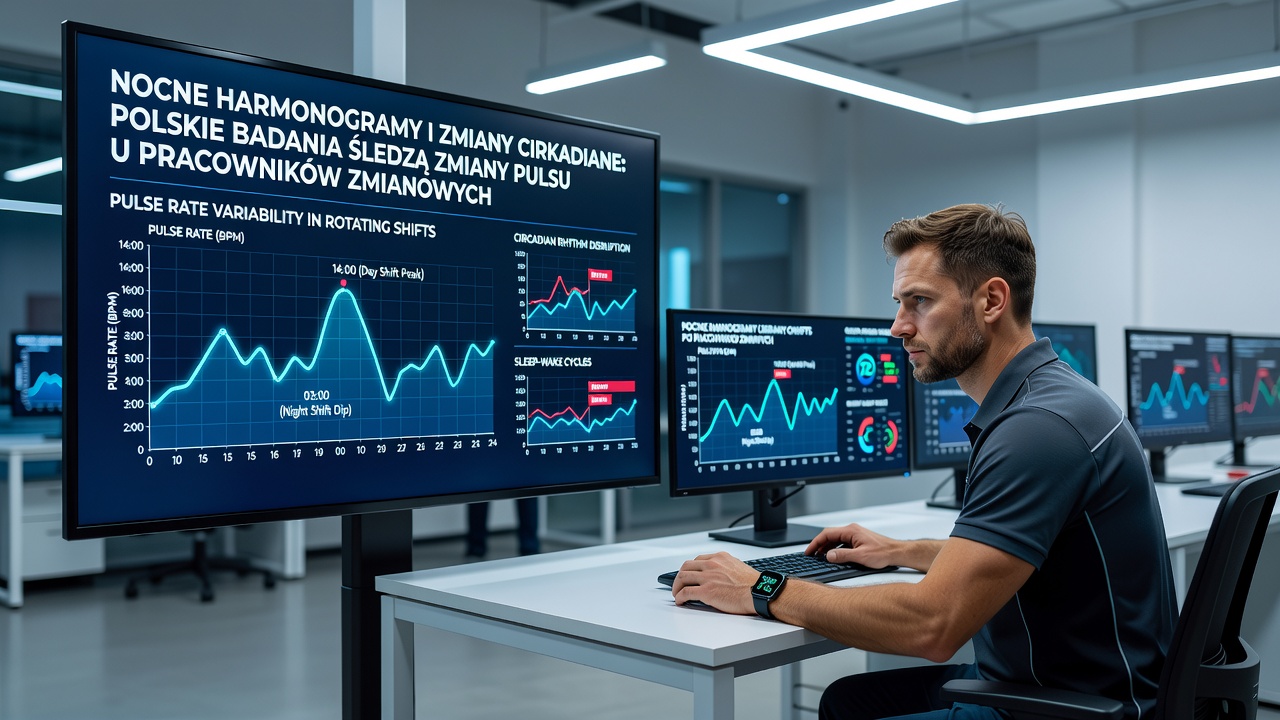
Rotating work schedules disrupt the body's internal clock in measurable ways, and Polish research teams have begun documenting specific alterations in pulse rate patterns among employees who alternate between day and night shifts. Data collected from factory workers, healthcare staff, and transportation personnel reveal that heart rate variability narrows during night hours while resting pulse rates remain elevated even after shifts end. These observations align with broader findings on how light exposure at atypical times interferes with melatonin production and autonomic nervous system balance.
Circadian Disruption Mechanisms in Rotating Schedules
Experts note that the suprachiasmatic nucleus fails to synchronize properly when workers experience bright light during biological night periods, which leads to delayed or advanced phase shifts depending on rotation direction. Studies conducted in Polish industrial settings tracked participants across multiple rotation cycles and recorded consistent increases in average nighttime pulse rates of 5 to 8 beats per minute compared with daytime baselines. Researchers measured these changes using continuous ambulatory monitors that captured both activity levels and electrocardiographic signals over 72-hour windows.
Forward-rotating schedules, where shifts move from morning to afternoon to night, produced different pulse recovery curves than backward rotations, and evidence suggests the latter creates longer adjustment periods for cardiovascular parameters. Polish investigators compared groups with fixed night duties against those on rapid rotations and found that frequent direction changes amplified the elevation in nocturnal heart rates while also reducing daytime pulse variability. Such patterns emerged regardless of age or prior shift experience, though longer tenure correlated with slower return to baseline after a rotation cycle ended.
Polish Research Methodologies and Data Collection
Teams from several Polish universities deployed wearable sensors on volunteers employed in 24-hour operations, collecting pulse wave data alongside sleep logs and light exposure readings. Protocols required participants to maintain consistent meal timing and avoid caffeine during monitoring phases, which allowed isolation of schedule-related effects from lifestyle variables. Results indicated that pulse rate elevation persisted into subsequent rest days, with full normalization sometimes requiring 48 hours or more after the final night shift.
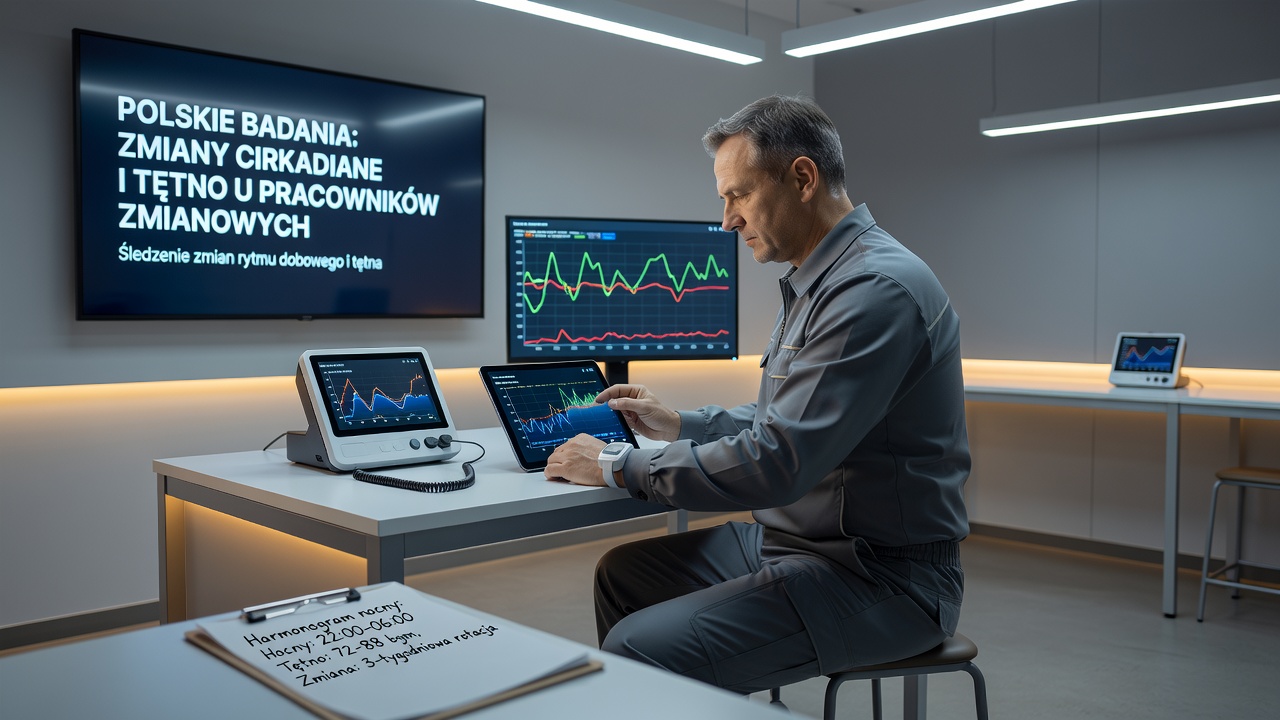
One study followed nurses across three hospitals in major Polish cities and documented that those on two-week rotation blocks exhibited greater pulse rate instability during the transition from night to morning duties. Continuous recordings showed spikes in heart rate during supposed sleep periods on off days, suggesting incomplete circadian realignment. These measurements were cross-referenced with cortisol assays taken at multiple points throughout the day to establish links between hormonal rhythms and cardiovascular responses.
September 2026 Conference Highlights and Ongoing Analysis
Findings presented at a September 2026 symposium in Warsaw consolidated data from five separate Polish cohorts totaling over 400 rotating workers. Analysts reported that pulse rate changes scaled with the number of consecutive night shifts, while recovery speed improved when rotations incorporated at least two full rest days between direction changes. Observers noted that workers in transportation sectors displayed sharper nocturnal elevations than manufacturing counterparts, potentially due to irregular break patterns and sustained alertness demands.
Additional analysis examined interactions between shift intensity and individual chronotype, revealing that evening-type individuals adapted pulse rhythms more readily than morning types under the same rotation conditions. Researchers intend to expand these datasets with longitudinal follow-ups scheduled through 2027 to determine whether cumulative exposure leads to sustained cardiovascular adaptations or persistent dysregulation.
Broader Implications for Workforce Health Monitoring
Health agencies across Europe have referenced similar shift-related cardiovascular observations when updating occupational guidelines, and Polish data contribute granular pulse metrics that complement self-reported fatigue surveys. According to resources from the European Agency for Safety and Health at Work, organizations that implement controlled light environments and scheduled rest periods see measurable stabilization in worker heart rate profiles. Parallel observations appear in reports from NIOSH, which emphasize monitoring technologies for early detection of rhythm disturbances.
Conclusion
Polish investigations into pulse rate dynamics among rotating workers supply concrete physiological markers for circadian misalignment caused by nighttime schedules. Continued tracking across diverse industries will clarify how rotation parameters influence recovery timelines and whether targeted interventions can normalize these patterns before longer-term health consequences develop.