Ulrich Simmons · 4 October 2026
Poland Expands Sensor Networks to Capture Pulse Variations in Cities and Countryside
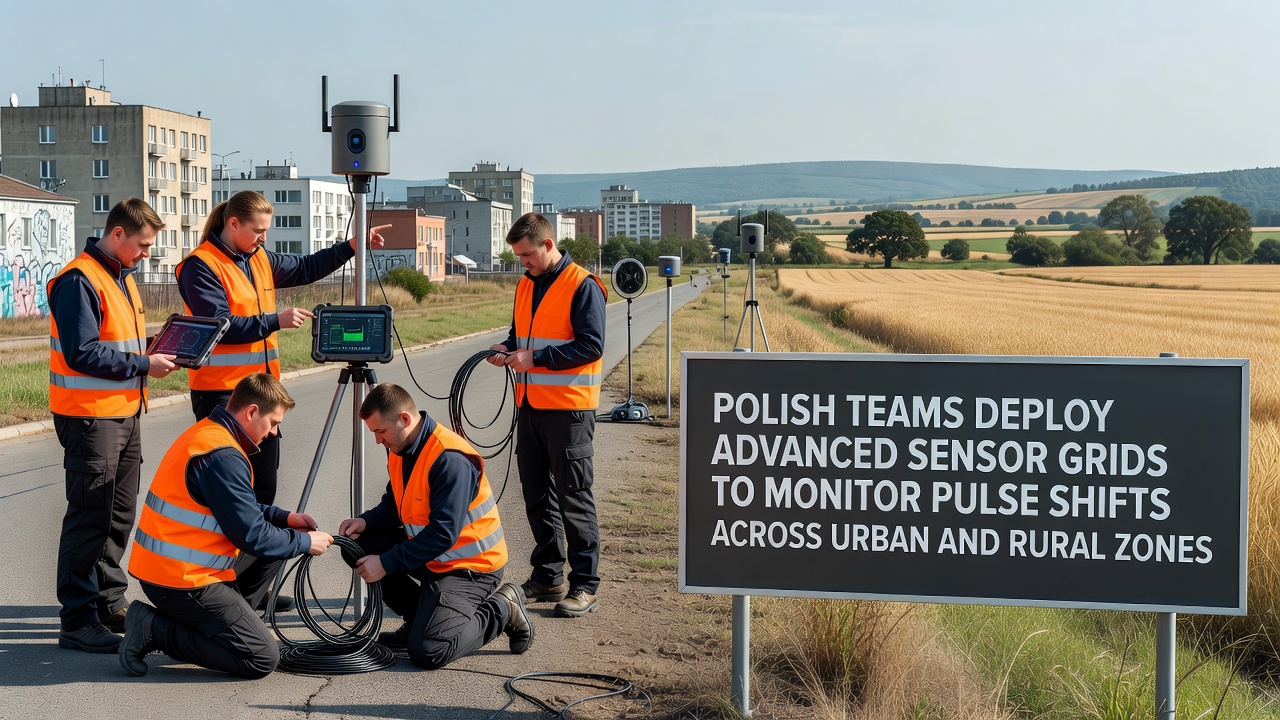
Polish research groups have rolled out extensive sensor grids designed to track pulse rate fluctuations across both densely populated cities and remote rural districts with the project reaching key milestones in October 2026. These networks combine high-resolution optical sensors, pressure transducers, and wireless transmission nodes that gather continuous readings on vascular activity and related physiological markers while teams coordinate deployments through regional health authorities and academic institutions.
Grid Architecture and Deployment Strategy
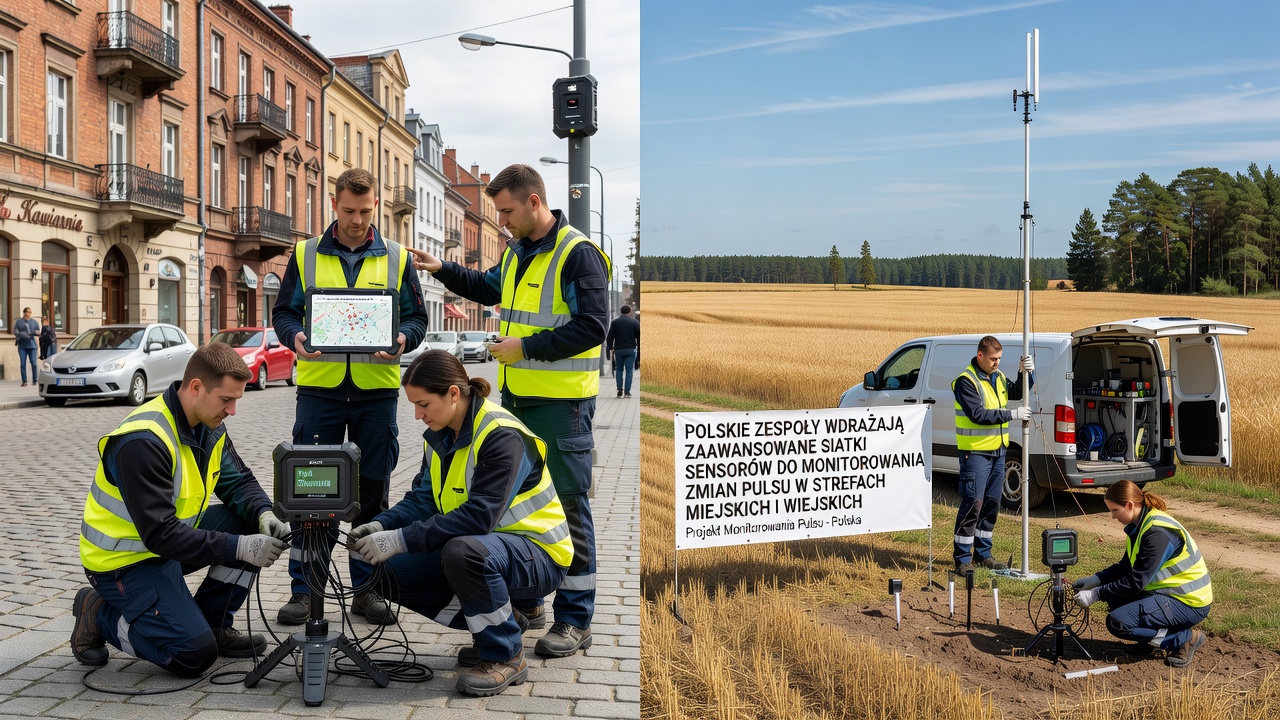
Engineers arranged the grids in layered configurations that place primary nodes along major transport corridors and secondary clusters near residential zones, which allows simultaneous capture of environmental influences and individual pulse patterns. Data flows through encrypted channels to central processing facilities where algorithms align timestamps and filter noise from sources such as vehicle traffic or agricultural machinery, and observers note that the October 2026 phase added 180 additional nodes in the Silesian and Podlaskie voivodeships.
Power systems rely on solar arrays supplemented by battery backups so that units remain operational during extended periods of low sunlight common in northern Poland during autumn months, while maintenance crews perform quarterly calibrations to maintain measurement accuracy within 2 percent of reference standards set by the European Centre for Disease Prevention and Control.
Data Integration Across Regions
Urban sites generate higher volumes of readings because of greater population density yet rural installations reveal longer baseline intervals between activity peaks because daily routines follow agricultural cycles rather than commuter schedules. Analysts combine these datasets with meteorological records and air quality indices to identify correlations between external conditions and observed pulse shifts, and one documented case from the Mazovian region showed a 7 percent rise in average evening pulse rates during periods of elevated particulate levels.
Researchers cross-reference findings with national health registries to explore whether detected patterns align with known cardiovascular trends, although the grids themselves record only anonymized aggregate signals rather than personal identifiers. The approach draws on protocols similar to those used by the Australian Institute of Health and Welfare for population-level monitoring programs that also emphasize privacy safeguards and standardized reporting formats.
Technical Specifications and Calibration
Each sensor unit incorporates multi-wavelength photoplethysmography modules capable of sampling at 250 hertz along with temperature and humidity compensation circuits that adjust for seasonal variations typical of Polish climates. Calibration routines compare outputs against certified reference devices every six weeks and teams log deviations in a shared database accessible to partner laboratories in neighboring countries.
Transmission occurs over low-power wide-area networks that maintain connectivity even in areas with limited cellular coverage, and recent firmware updates introduced in October 2026 improved packet delivery rates to 99.4 percent across tested rural stretches. Power consumption averages 1.8 watts per node during active transmission which supports extended autonomous operation between service visits.
Collaborative Framework and Future Phases
Multiple universities and public health agencies share oversight responsibilities while a steering committee meets monthly to review progress reports and adjust sensor placement based on preliminary analysis. The initiative also exchanges technical notes with counterparts in Canada through the Public Health Agency of Canada which maintains comparable environmental health monitoring infrastructures.
Additional phases planned through 2027 include integration of acoustic sensors to capture ambient sound levels alongside pulse data and expansion into coastal zones near the Baltic Sea where salinity and wind patterns may introduce new variables. Current coverage now spans 14 of Poland's 16 voivodeships with full national reach targeted by the end of the following calendar year.
Conclusion
The deployment demonstrates how coordinated sensor infrastructure can produce synchronized measurements of pulse dynamics across contrasting geographic and demographic settings, and ongoing analysis continues to refine models that link external factors with observed physiological variations. Project documentation remains available through institutional portals for researchers seeking to replicate elements of the grid design or data processing pipelines in other regions.